iFX EXPO Dubai 2026 — starts in 00 days
Starts in 00 days View Participants

Trading Strategies for Every Market Condition

Compare proven approaches, understand their strengths and risks, and pick a strategy that matches your timeframe, style, and experience level.

What you learn

🎯
What each strategy is designed to capture
📈
When a strategy typically works best (trend vs range markets)
⚠️
Common risks and practical execution tips

Trading strategies

Pick an approach based on market conditions and your preferred timeframe.

Trend Trading icon

Trend Trading

Best in directional markets

Follow the market’s direction and look for entries that align with a sustained uptrend or downtrend.

  • Typical tools: moving averages, structure, momentum
  • Risk: false reversals, late entries
Trend Trading icon

Range Trading

Best in sideways markets

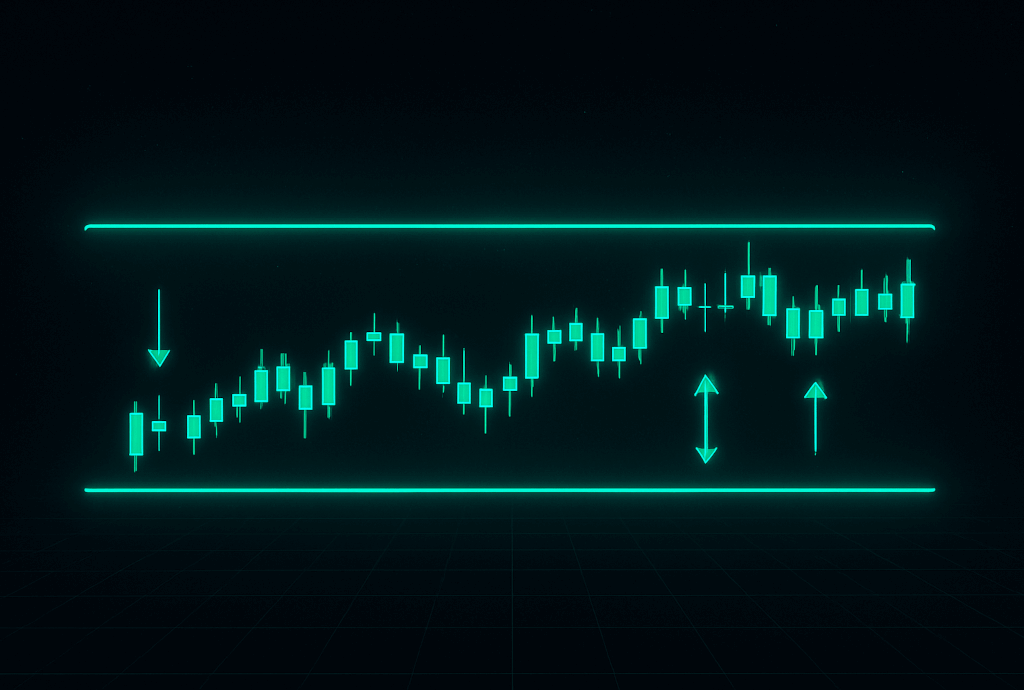
Trade price swings between support and resistance when the market is moving sideways.

  • Typical tools: levels, RSI, volatility bands
  • Risk: range breaks that keep running
Trend Trading icon

Breakout Trading Strategy

Momentum after key levels

Enter when price breaks key levels with momentum, aiming to capture the next strong move.

  • Typical tools: consolidation, volume, ATR
  • Risk: akeouts and whipsaws
Trend Trading icon

Carry Trade Strategy

Interest rate differential

Profit from interest rate differentials by holding higher-yield assets against lower-yield ones.

  • Typical tools: rates, macro cycles, risk sentiment
  • Risk: sharp reversals in “risk-off” moves

Trend Trading icon

Scalping Trading Strategy

Fast execution, many trades

Take many small, quick trades to capture minor price changes throughout the session.

  • Typical tools: order flow, spreads, liquidity
  • Risk: fees and slippage add up fast
Trend Trading icon

Grid Trading Strategy

Systematic volatility capture

Place buy and sell orders at set intervals to benefit from volatility without predicting direction.

  • Typical tools: grid spacing, volatility filters
  • Risk: trending markets can stress grids
Trend Trading icon

Swing Trading Strategy

Multi-day positions

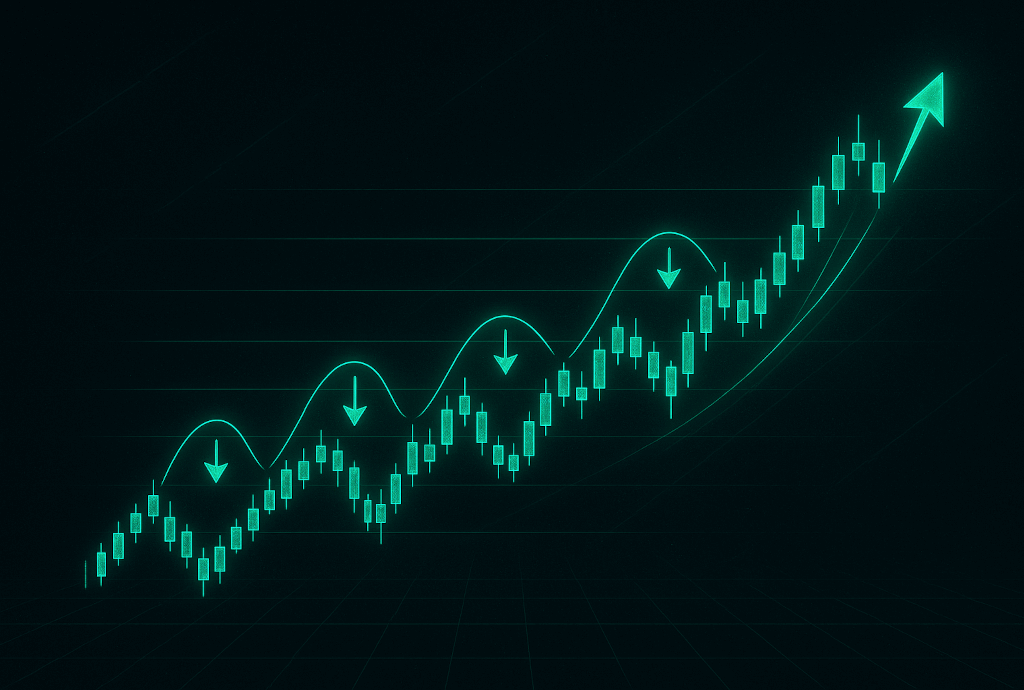
Hold positions for days to weeks to capture larger moves within a broader market cycle.

  • Typical tools: structure, trend, pullbacks
  • Risk: overnight gaps and news events

How to choose a trading strategy

The right strategy is the one you can execute consistently. Use these questions to narrow your options.

How much time can you spend trading?
If you can’t monitor charts often, swing or carry strategies may fit better. If you can watch markets closely, scalping and intraday breakouts may be more realistic.
Do you prefer trending or ranging markets?
Trend and breakout approaches aim to ride directional moves. Range and grid approaches aim to benefit from oscillations and mean reversion when price is contained.
What level of drawdown can you tolerate?
Some systematic strategies can have longer drawdowns. Define risk per trade and a max drawdown limit, and scale position sizes so your plan is emotionally and financially sustainable.

FAQ

Answers to common questions about trading strategies and getting started.

A trading strategy is a structured set of rules for when to enter and exit trades, how much to risk, and how to manage positions. It helps you make consistent decisions instead of reacting emotionally.

Many beginners start with trend trading or swing trading because they provide clearer signals and don’t require constant monitoring. The “best” strategy is the one you can follow consistently with proper risk management.

Start with your timeframe, availability, and risk tolerance. If you prefer fewer trades, consider swing or trend trading. If you like fast execution and can monitor the market closely, scalping may fit better.

Not always. Trend strategies tend to perform best in strong directional markets, while range and grid strategies may work better in sideways conditions. Adapting to market regimes is part of long-term consistency.

Day trading usually means opening and closing positions within the same day. Swing trading holds positions for several days or weeks to capture larger moves, with less screen time but wider stops.

It’s critical. Risk management—position sizing, stop-loss rules, and maximum drawdown limits—often matters more than the entry signal. It protects your account and keeps you trading long enough to improve.

Yes. Backtesting and demo trading help you understand how a strategy behaves across different conditions and whether you can execute it consistently. Always account for fees, spreads, and slippage.

You can, but keep it simple. Combining strategies works best when each one targets a different market condition. Make sure your rules don’t conflict and that your total risk stays controlled.
Risk disclosure: Trading involves risk, including the potential loss of capital. This page is for educational purposes only and does not constitute financial advice.