iFX EXPO Dubai 2026 — starts in 00 days
Starts in 00 days View Participants

Trading Strategy Development

Systematic approach to trading strategy development, backtesting, and optimization — from idea to consistent results.

What you learn

Building Trading Strategies
Proper Backtesting
Strategy Statistics Analysis
Avoiding Over-Optimization
Preparation for Prop Firm Challenges
Systematic Approach to Trading
strategy-development-strategies

Free

Trading Strategies
strategy-development-backtesting

Free

Backtesting
strategy-development-optimization

Free

Optimization

How a Profitable Trading Strategy Is Built

The Full Strategy Development Cycle

🎯
1. Idea & Logic

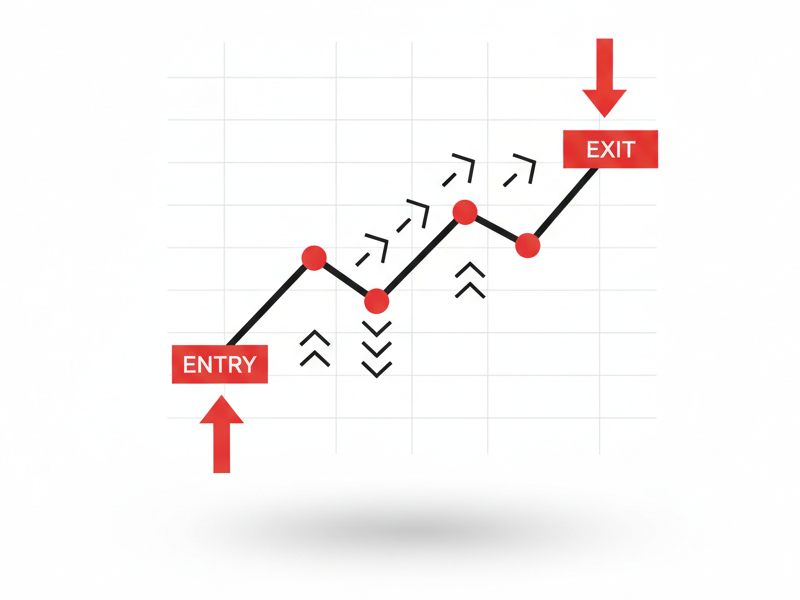
Define the trading rules, entry and exit conditions, and risk management.

🔍
2. Backtesting

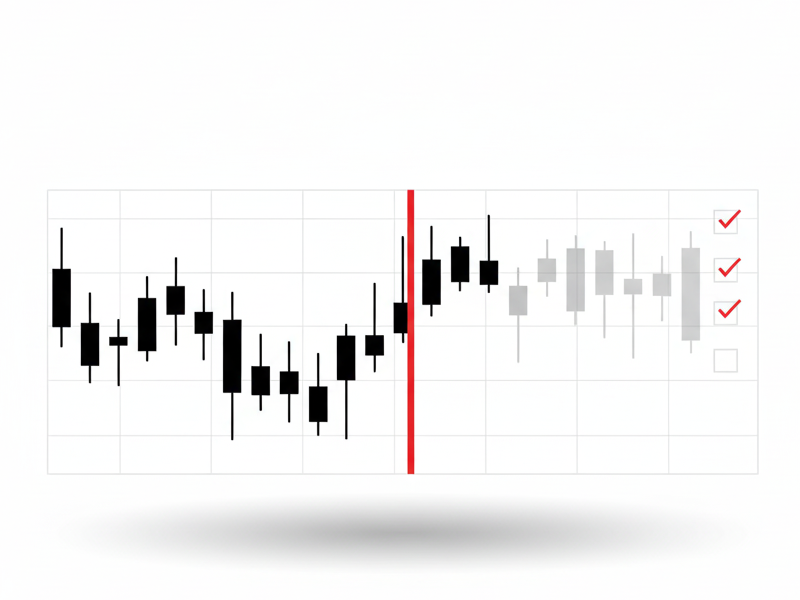
Test the strategy on historical data and analyze the performance statistics.

⚙️
3. Optimization

Improve the parameters and validate the strategy’s robustness.

FAQ

A systematic approach to building, testing, and optimizing trading strategies with data-driven decision making.

The Trading Strategy Development program is a structured learning path designed to help traders create, validate, and refine trading strategies using a systematic and data-driven approach. It covers strategy design, backtesting, and optimization techniques.

This course focuses on the foundations of strategy creation, including market structure analysis, defining entry and exit rules, risk-reward models, position sizing, and building rule-based trading systems for consistent execution.

Yes. The program is designed for both discretionary and algorithmic traders. It teaches structured thinking and rule-based frameworks that can be applied manually or implemented into automated systems.

The Backtesting course teaches how to test trading strategies using historical data, evaluate performance metrics, avoid common testing biases, and interpret statistical results to determine strategy robustness.

Backtesting allows traders to validate their strategy before risking real capital. It helps identify strengths, weaknesses, drawdown characteristics, win-rate consistency, and overall profitability under different market conditions.

The Optimization course focuses on improving strategy parameters without overfitting. It covers walk-forward analysis, parameter sensitivity testing, robustness checks, and methods for maintaining performance stability across changing market conditions.

The program teaches strict validation techniques such as out-of-sample testing, walk-forward analysis, and robustness testing to ensure that strategy improvements are statistically meaningful and not curve-fitted to historical data.

Basic technical knowledge is helpful but not mandatory. The concepts are explained in a way that applies to both traders using platforms with built-in testing tools and those developing algorithmic strategies with code.

Yes. The program covers key metrics such as expectancy, profit factor, Sharpe ratio, drawdown, risk-adjusted returns, and trade distribution analysis to help traders make objective decisions.

By the end of the program, traders will have a structured framework for developing, testing, and refining trading strategies — enabling them to move from random decision-making to consistent, data-driven trading performance.